Cholesterol TestsHigh cholesterol is influenced by various factors, including diet, physical inactivity, obesity, smoking, excessive alcohol consumption, genetic predisposition, diabetes, thyroid disorders, kidney problems, advancing age, and gender differences. Identifying and understanding these risk factors are essential for effective prevention. A Cholesterol (Lipid) Panel, which assesses LDL, HDL, and triglyceride levels, plays a crucial role in diagnosis and management, particularly for individuals with risk factors. Timely medical evaluation is vital for mitigating heart disease risk and enhancing overall well-being.
Included in this page are several tests that have a relationship to Cholesterol |
ARCpoint Labs of The Hills+1 (512) 361-7935 |

|
Cholesterol (Lipid) Panel with Glucose - Rapid Results$69.00A rapid Cholesterol (Lipid) Panel with Glucose is a clinical test that measures various lipid levels (such as cholesterol and triglycerides) along with glucose levels in the blood. Rapid results imply a quicker turnaround time for obtaining test results. The panel helps assess cardiovascular risk, guide preventive measures, and manage conditions like hyperlipidemia and diabetes. Rapid results aid in timely interventions for improved patient outcomes. Results are available the same day. |
|
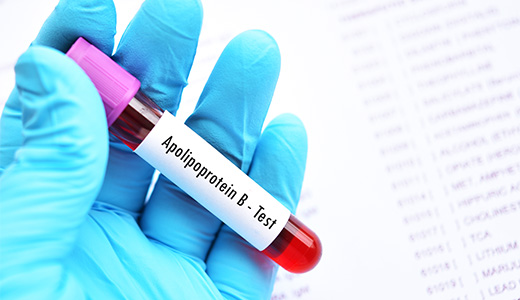
Apolipoprotein B Test$69.00The Apolipoprotein B (Apo B) test is a medical examination that measures the levels of Apo B, a protein present in low-density lipoprotein (LDL) cholesterol particles in the blood. This test provides valuable information about cardiovascular health, as higher Apo B levels are associated with an increased risk of heart disease. It helps healthcare providers assess lipid-related cardiovascular risk more accurately than traditional cholesterol measurements. Results guide treatment decisions, lifestyle modifications, and preventive measures to reduce the risk of heart disease. |

|
Apolipoprotein A-1 Test$69.00The Apolipoprotein A-1 (Apo A-1) test is a medical examination that measures the levels of Apo A-1, a protein associated with high-density lipoprotein (HDL) cholesterol in the blood. This test helps assess an individual's risk of heart disease and cardiovascular health. Higher Apo A-1 levels are generally linked to a reduced risk of heart disease, as HDL cholesterol is considered "good" cholesterol that helps remove excess cholesterol from arteries. The results aid healthcare providers in evaluating cardiovascular risk and guiding preventive measures or treatment as needed. |

|
Lipoprotein (a) Test$79.00The Lipoprotein (a) Test is a medical examination that measures levels of lipoprotein (a) in the blood, a genetic variation of LDL cholesterol. Elevated Lipoprotein (a) levels are associated with an increased risk of cardiovascular disease. However, Lipoprotein (a) itself doesn't cause specific symptoms. It acts as a marker for potential heart-related problems. High levels may signal a higher risk of heart attacks and strokes. Physicians may recommend this test, especially for individuals with a family history of heart disease, to assess cardiovascular risk and determine appropriate preventive measures and treatments. |

|
Lipoprotein Fractionation, Ion Mobility Test$199.00The Lipoprotein Fractionation, Ion Mobility Test is a medical examination that provides detailed information about the different types of lipoproteins in the blood, including HDL and LDL cholesterol particles. This advanced test aids in assessing cardiovascular health. It doesn't cause any symptoms itself but helps identify specific lipoprotein patterns that can indicate an increased risk of heart disease. Physicians may recommend this test for individuals with known heart disease risk factors,enabling a more precise evaluation of their cardiovascular health and guiding personalized treatment and lifestyle interventions. |